




Pride 2026 Interview: Paul Kemp managing director of Brighton Pride
For decades, few people have shaped the city’s LGBTQ+ nightlife and cultural landscape quite like Paul Kemp, managing director of Brighton Pride. A driving force behind some of the city’s most iconic venues, events and community spaces, Paul has long been at the heart of what makes Brighton Pride one of the UK’s most vibrant and celebrated festivals. As Pride season returns in full colour for 2026, celebrating 35 years, we caught up with Paul to talk about Brighton’s ever-evolving queer scene, the enduring importance of Pride in today’s social climate, and what continues to inspire him after years spent championing inclusivity, celebration and community.
This year marks 35 years of Brighton Pride as we know it today. When you look back at how Pride has evolved since 1991, what do you think would surprise people most about how far the event and the city itself has come?
In 1991, around 2,000 people gathered on The Level. The stage was the back of a lorry. And the world our community was living in then was categorically different from today. Section 28, introduced by Thatcher’s government in 1988, made it illegal to “promote homosexuality” or present same-sex relationships as acceptable family life. Schools couldn’t support LGBTQ+ students. Local councils couldn’t fund LGBTQ+ groups. The message from the state was unambiguous: you do not exist and we will not acknowledge you.
At the same time, the AIDS crisis was devastating our community. Gay men were dying in huge numbers, and the government response was catastrophically slow and laced with moral judgment. The tabloids were vicious. To be visibly gay in 1991 was to risk your job, your housing, your safety. Local media offered little support. So, those 2,000 people who gathered on The Level weren’t just having a party, they were making a profound statement of existence at a time when the law and much of society wanted them invisible. That takes a kind of courage that I think gets forgotten now.
Pride globally has always carried tension between celebration and protest. In 2026, at a time when LGBTQ+ rights are again under pressure in parts of the world, how do you balance those two identities for Brighton Pride?
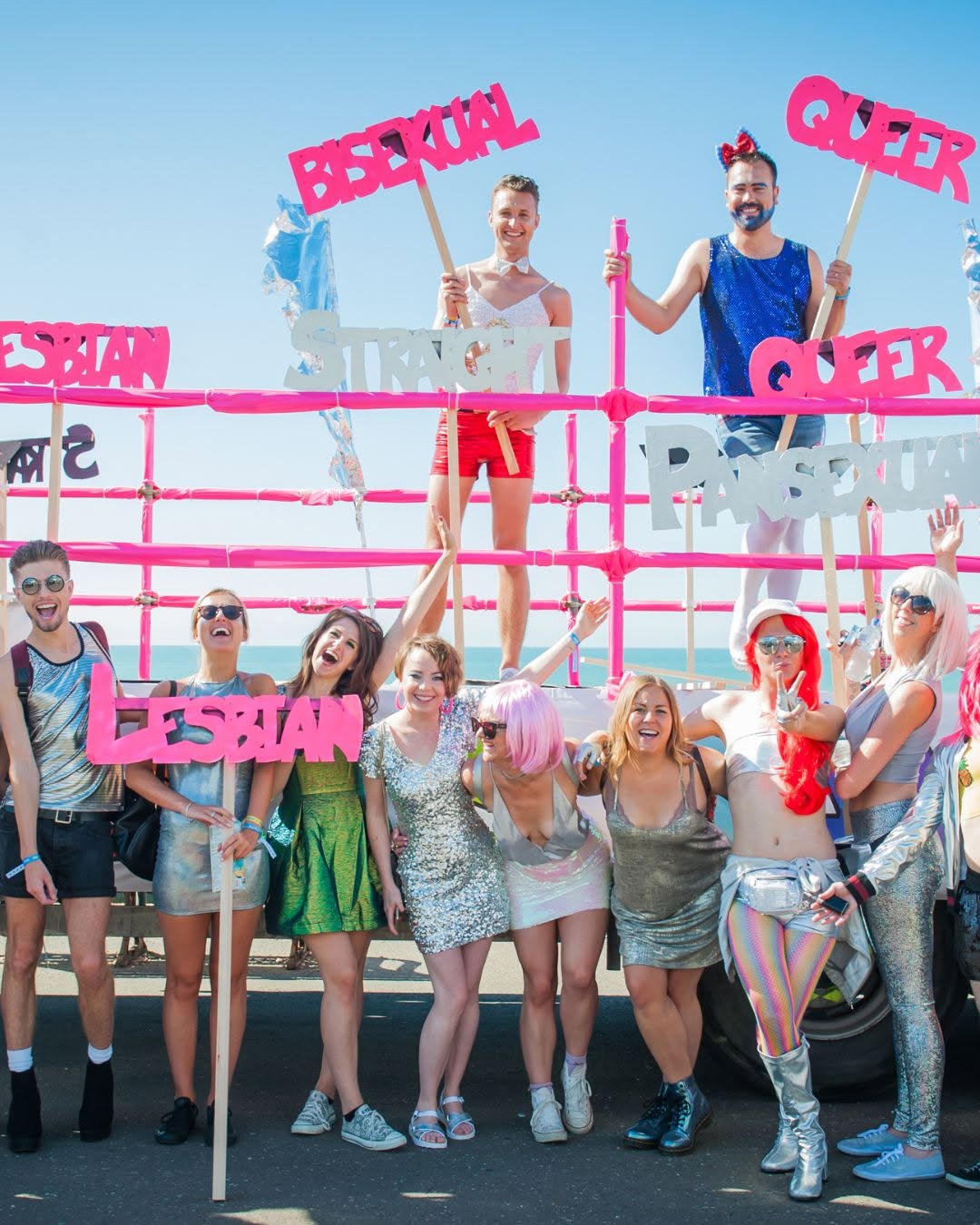
Pride has always been both a protest and a celebration, and the Community Parade is where those two things meet and are most powerfully expressed.
Celebration and protest aren’t opposites that need managing. In a world where Britain has dropped from the most LGBTQ+ friendly country in Europe to 22nd, where many US Prides have simply stopped because corporate sponsors walked away from our community, where the political right is actively pushing back against our existence, being visibly, joyfully present in public is resistance. The joy is a key part of the protest.
Brighton showed exactly that spirit recently when our city turned out for the Carnival Against Fascism – musicians, community groups, residents – all standing together against a far-right march that wanted to bring its hatred here.
I believe Pride must be a catalyst against hate and a demonstration to the world that Brighton and Hove celebrates diversity, not just in August, but as a lived, year-round commitment. With Pride’s very existence under pressure from Reform-led councils and a general rise in overt bigotry, it is more important than ever that we use this platform to unite our communities, amplify LGBTQ+ voices and make clear that this city will not tolerate hate.
Brighton often brands itself as one of the UK’s most inclusive cities. How much do you think Pride has helped shape the identity and reputation of the city itself over the past three decades?
Brighton Pride is unique on the national stage in a way that’s genuinely hard to replicate. It takes over the entire city for a weekend – people choose how they experience it. The parade, the park, the street party, their local pub, the beach. It belongs to the city and the city embraces it back.
Over 35 years, Pride has become part of Brighton and Hove’s DNA, sitting alongside the Brighton Festival and Fringe, and those moments that tell you exactly what kind of place this is. Just like when we see Fatboy Slim playing to tens of thousands on the beach. Brighton and Hove is a city where people come to be themselves, and Pride has certainly contributed to the city’s vibrant cultural offer.
Pride is now not just a cultural event but one of Brighton’s biggest economic drivers. Do you think people underestimate the impact Pride has on keeping the city’s independent businesses and hospitality sector thriving?
Significantly, yes. The economic conversation focuses on the weekend, hotels, restaurants, bars. The last estimate from 2018 put income generation at over £30 million. But Brighton’s reputation as a global destination has been shaped by what Pride represents – and that halo effect works year-round. You can’t buy that.
What also gets missed is the economic contribution of the organisations the Brighton and Hove Pride Community Foundation supports. Those charities employ people, deliver services and support residents. That’s economic activity that rarely makes it into the impact analysis, but it should. Pride’s economic footprint is far bigger than a weekend.
You’ve been involved in Pride for decades. Was there a moment where you realised this had become more than an event – that it had become part of Brighton’s identity and history?
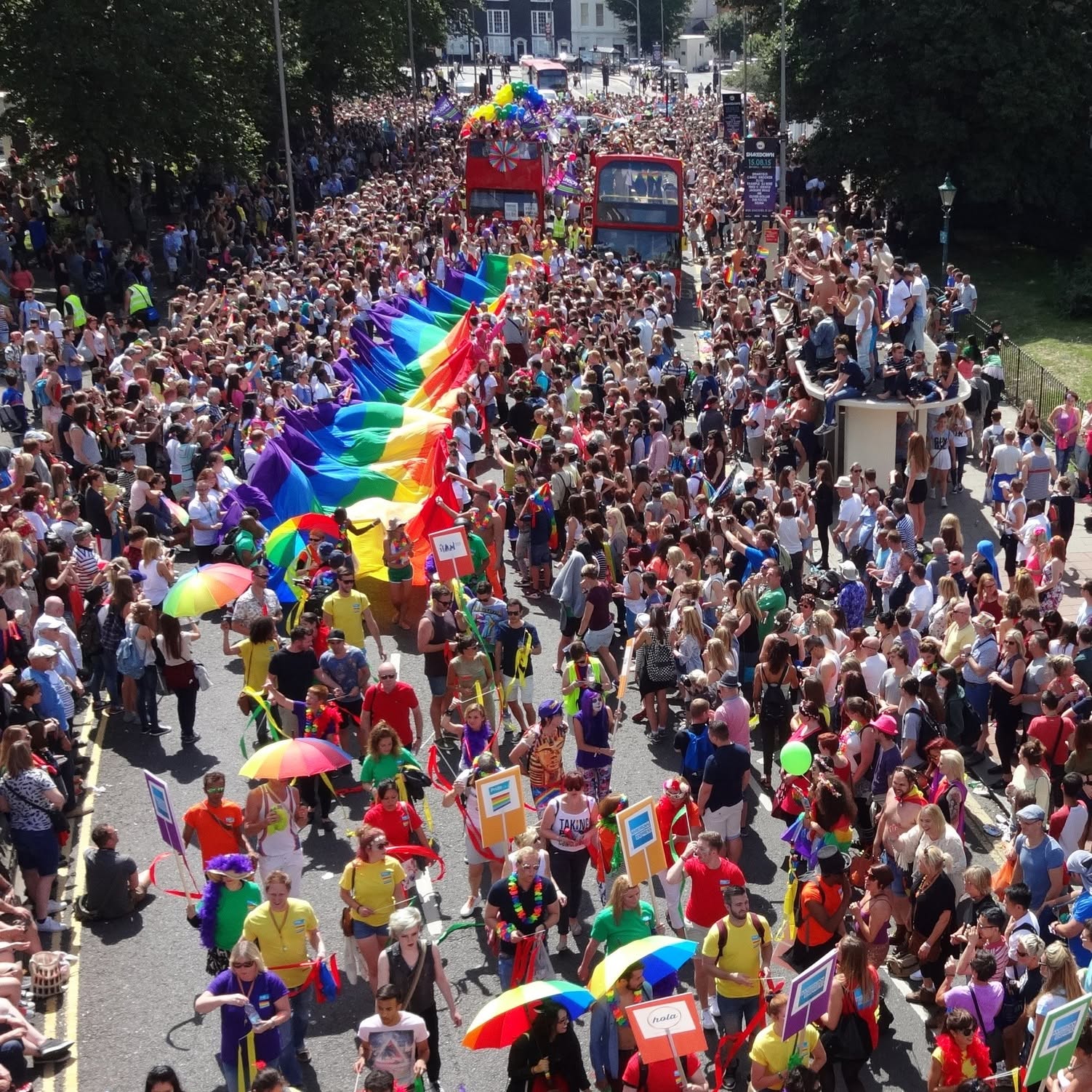
The no-trains year in 2023. We had no rail services and a near-gale on the day of the parade. By any rational measure, people had every reason to stay home. However local people showed up in the wind and rain because Pride matters to them. That’s when you know you’re not running an event, you’re part of something that has meaning and purpose. It’s a statement of who we are as a city.
I also feel it every year during the Community Parade, watching the faces of people on the pavement. Residents who’ve been there since the beginning, people who lived through Section 28 and the AIDS crisis, the activists and all those seeing it for the first time.
After 35 years, where does Brighton Pride go next? What do the next ten years look like?
Purpose over size. That’s where I am.
The most urgent work is rebuilding the capacity of local LGBTQ+ groups and charities hard-hit by Covid and the financial pressures of the last few years. The Brighton & Hove Pride Community Foundation exists precisely to sustain that support and strengthening what it delivers year-round, not just in August, is the priority for the next chapter.
The global shift rightward, the organised pushback against LGBTQ+ existence, the very real harm being done to trans people, Pride cannot stand apart from that. We need to work far more collectively with local LGBTQ+ organisations, with anti-racism groups, with the wider progressive community in this city. The pushback against our existence is organised and serious. Our response has to match it.
That means not just delivering grant funding to groups, but ensuring our voices are heard by those in power, that our communities are represented in the decisions that affect them, and that the platform Pride has built over thirty-five years is used to its fullest. Pride belongs to the LGBTQ+ community of this city and must always be led by people with genuine lived experience of why it exists.
Brighton Pride has grown into one of the UK’s biggest festivals, but at its heart it began as a community movement. As it has scaled up over the years, how do you make sure that grassroots community spirit isn’t lost?
The Community Parade is the non-negotiable centre of everything we do. The community groups, local charities, drag artists and cabaret performers who march don’t do so because we programme them. They march because it’s their event. That relationship has to be actively maintained and genuinely valued, not taken for granted.
Supporting smaller community events – the Brighton Bears Weekend, Trans Pride, and our ambition to build a genuine Pride season that bridges those gatherings and creates space for more community voices throughout the year – these aren’t add-ons. They’re part of what Pride actually is.
But I’ll be honest: I recognise we need to go further. Working collaboratively with the Pride Community Foundation is how we’re going to do that, developing deeper community partnerships, building real grassroots relationships with the groups and organisations that sustain LGBTQ+ life in this city year-round, not just in August. That work is already underway and it’s the thing I’m most excited about for the next chapter.
For younger generations, growing up with far greater LGBTQ+ visibility can feel very different from even 20 or 30 years ago. From your perspective, what shifts have you witnessed personally through Pride over the decades?
When I arrived in Brighton at seventeen in 1981, finding the community felt like finding a lifeline. The first place you didn’t have to check yourself before walking into a room. That relief was profound, and it shaped everything that came after.
Younger people at Pride now sometimes carry a different relationship to the history which is, in many ways, a sign of progress. But visibility is not equality. Britain has dropped to 22nd in European LGBTQ+ friendliness. Young LGBTQ+ people still experience far higher rates of mental health difficulties than their peers. Trans people face severe, documented hostility. The hard-won freedoms are under genuine threat again.
For many people, Pride is a huge celebration in August, but the issues facing LGBTQ+ communities exist year-round. How important is it that Pride remains something bigger than a single weekend festival? And how does your organisation facilitate this?
It’s central to what we are. An organisation that only activates in August is failing the community it claims to serve.
The Brighton & Hove Pride Community Foundation is the concrete answer to this question. Since 2013, over £1.5 million has been distributed to local groups and charities doing vital work every day of the year in counselling, youth services, housing support, community spaces. The 35th anniversary exhibition at Jubilee Library is part of the same commitment: keeping our history visible and accessible throughout the year.
The next phase has to go further. Continue to develop partnership with local LGBTQ+ organisations, and a stronger political voice around issues affecting our community. Pride as a year-round force for good, not just a weekend.
Brighton & Hove Pride has become internationally recognised and draws huge crowds every year. Does success create pressure to constantly make each year bigger, or is the focus now on something different?
Having been part of this from the beginning, I understand why some people feel Pride has become too commercial and it’s a question we should never stop asking ourselves. But the reality is that even when Pride was free to attend, it cost thousands to deliver. In those early days, collecting boxes on The Level averaged around 30p a donation. The event was never free to produce the question was always who carried the cost and how.
Our delivery costs have doubled in recent years. Security, production, infrastructure, running a safe, large-scale event in 2026 is enormously expensive, and every pound that reaches community causes has genuinely been fought for.
Overwhelmingly though, people can see what Pride brings to this city, and there is real, widespread pride that Brighton & Hove hosts one of the most internationally recognised LGBTQ+ events in the world. That recognition matters.
What matters more to me right now is purpose, not scale. Pride still brings communities together in a way that few events can and in 2026, with basic human rights everyone shares being eroded, that ability to unite and galvanise our community is more important than ever.
If someone attending Brighton & Hove Pride this year asked you what Pride fundamentally stands for in 2026, what would your answer be?
The right to exist fully, publicly, without apology. Same as it always was just with more urgency. I’d tell them about the Sussex Gay Liberation Front marching through Brighton in 1973. About the activists who brought Pride back to these streets in 1991 with Section 28 still on the books. About the people who didn’t make it through the AIDS years. That history is present in this year’s parade, and I want people to feel the weight of it.
In 2026, Pride stands for trans solidarity without qualification. The T is not an afterthought, it has always been part of this story, and our platform has to say so clearly and repeatedly.
If you could bring someone from Brighton in 1991 forward to experience Pride in 2026, what do you think they’d feel seeing what it has become?
I’m sure there would be mixed reviews. Whilst some would see the progress we’ve made as an LGBTQ+ community over thirty-five years, we also have to acknowledge that Pride isn’t for everyone. It’s got much bigger not necessarily just the official Pride events, but across the city as a whole and that requires significant budget and resources to deliver.
But overwhelmingly, I think they’d be moved by what this city has become. The parade winding through the streets, the joy spilling out on every corner, hundreds of thousands of people celebrating together that says it all. Seeing the city proud, the £1.5 million raised for good causes over the years, the economic boost Pride brings and the brings together of our communities, Pride still has a significant positive impact.
But then they’d ask the harder question. What are you doing with this? Because the freedoms many of us have taken for granted are under genuine threat again. My view is that Pride has reached a significant milestone and with the global political climate moving in the wrong direction, we must seriously review how we deliver Pride and ensure community voices are enhanced and heard at every level. That work is vital and doesn’t stop when Pride 2026 is over, it’s our purpose moving forward
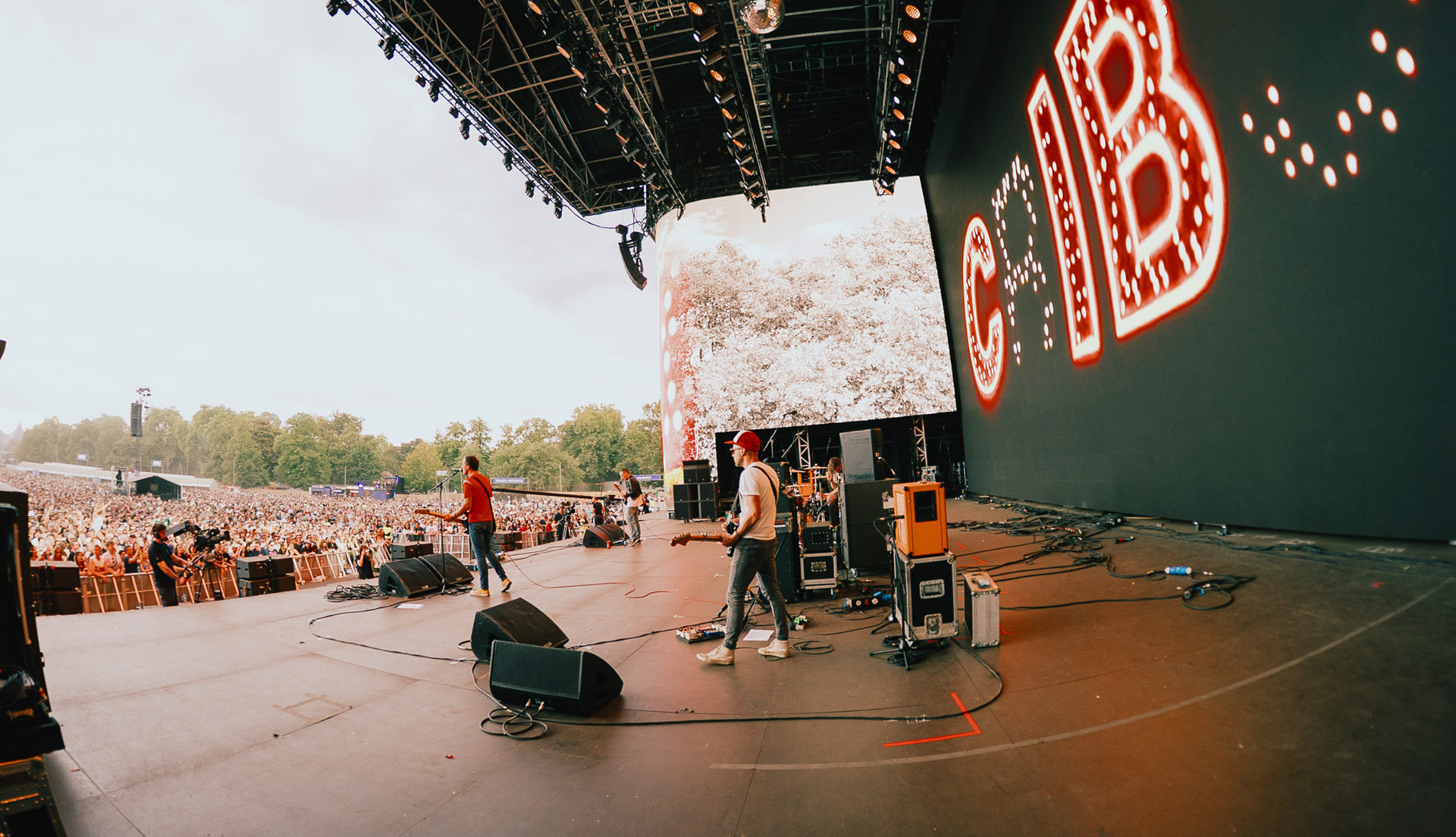
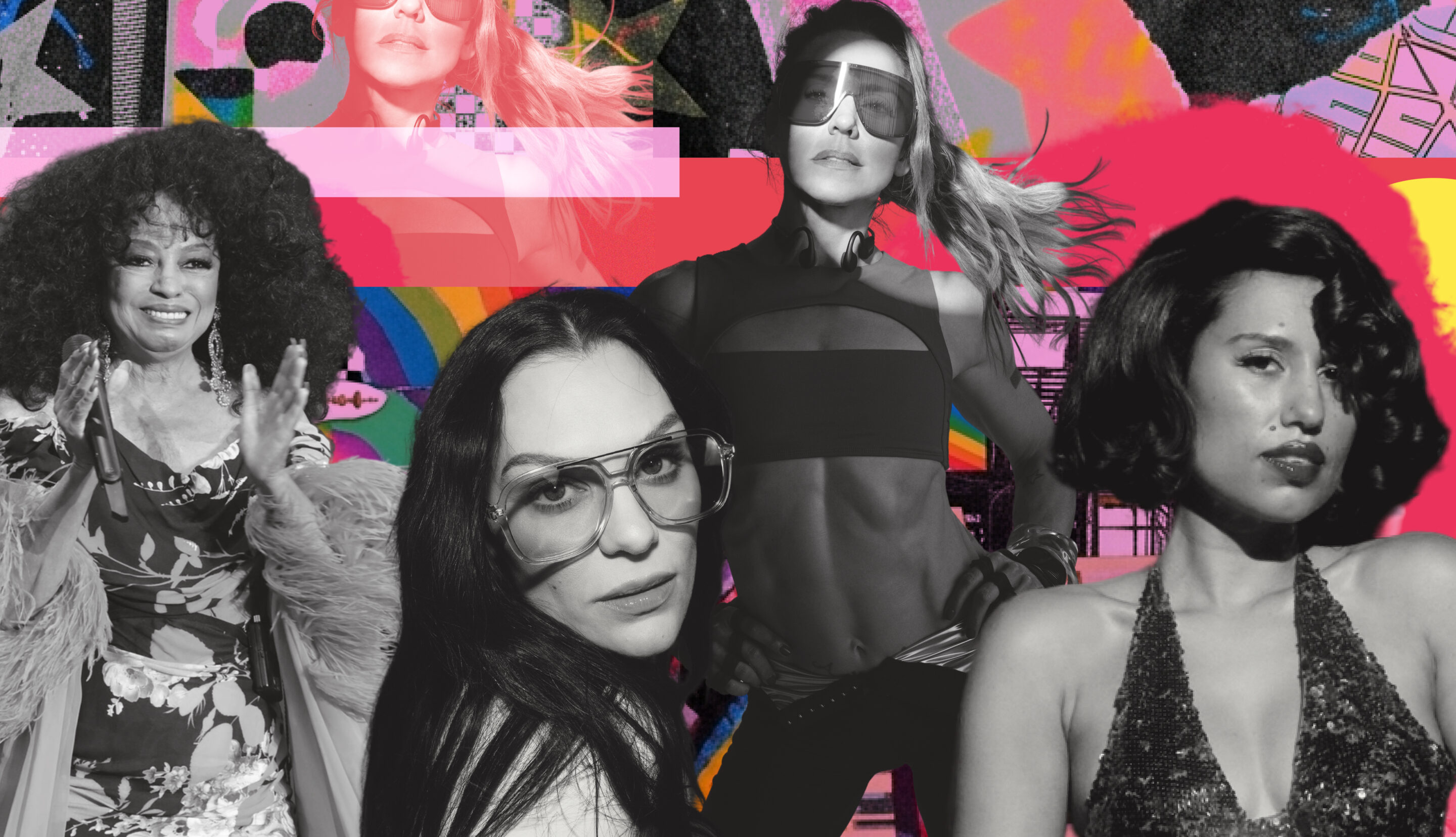
This year’s 35th anniversary line-up feels bigger than ever with artists like Diana Ross, RAYE, Jessie J and even RuPaul involved. What does attracting talent of that level say about how far Brighton & Hove Pride has come not just as a festival, but as a globally recognised cultural event?
Artists of that calibre have choices. They come because Brighton Pride has built a genuine reputation as one of the most significant LGBTQ+ events in the world, earned over thirty-five years, not purchased. When an artist stands on this stage, it’s a statement about where they choose to stand and what they stand for. That matters to people who spent years watching culture ignore or exclude them.
But let’s not lose sight of where to find the soul and enduring passion at the heart of Brighton Pride. It’s in the Community Parade. It’s in the local drag artists and cabaret performers who’ve shown up every year for decades out of love for this community. They are the real stars of Brighton Pride, and they always will be. The headline acts bring global attention and that attention should point people towards what this event actually is: a community that has fought, and continues to fight, for the right to exist on its own terms.
www.brighton-pride.org | www.prideonthepark.co.uk
Read more articles here