




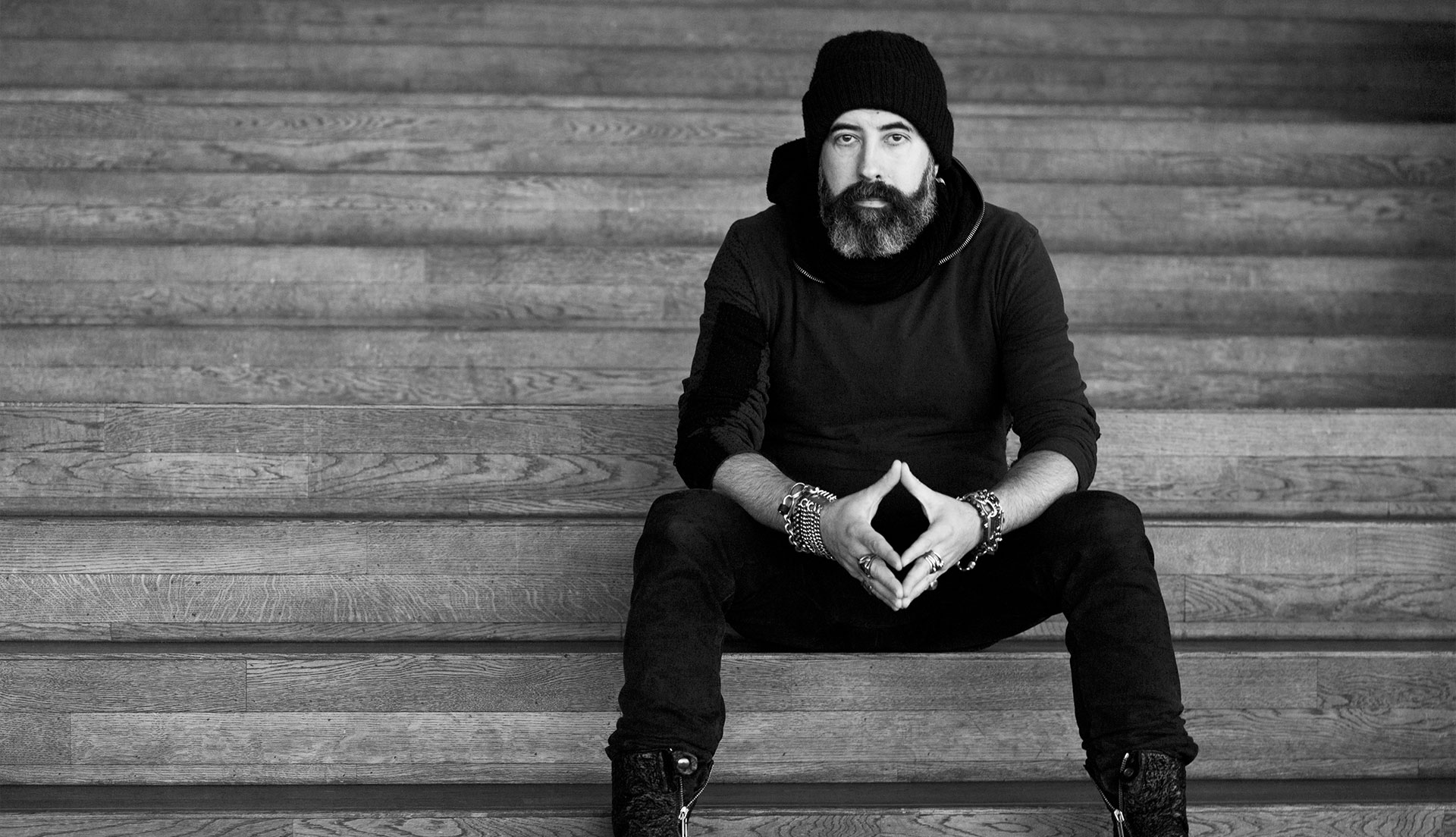
Dave Clarke Interview | The pioneering electronic music DJ, producer and radio presenter talks homecoming, dance music culture and an enduring influence on the underground.
In association with City Wall Records
——————
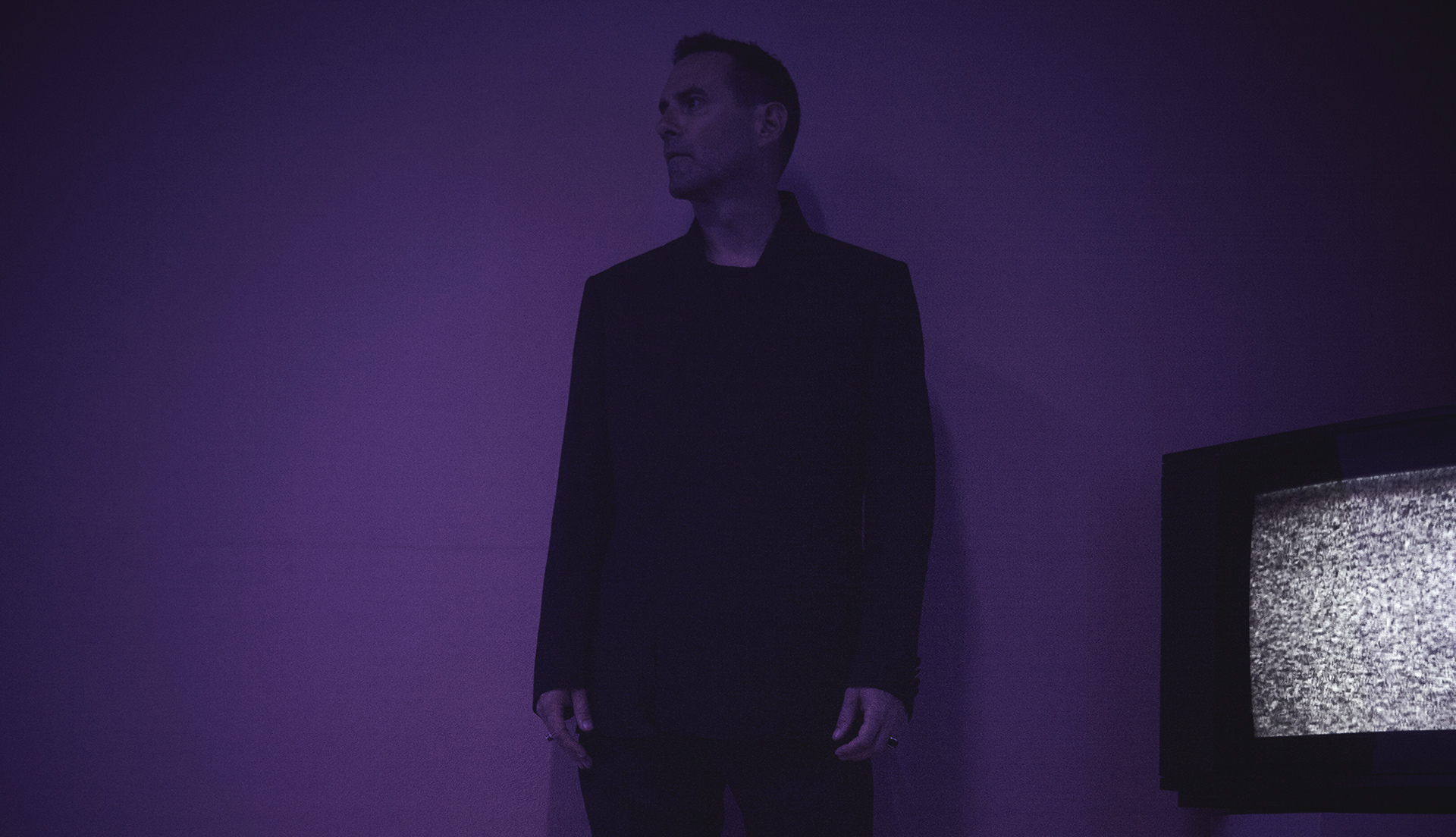
This May, techno don Dave Clarke returns to his Brighton roots for one heavy-duty mix you won’t want to miss. Raised on the city’s punk DNA in both spirit and sound, Clarke has gone on to leave a lasting mark on the global electronic scene – and the conversation around it. In association with City Wall Records, we ready the decks for a soundtrack shaped by the experiences that built him.
You grew up in Brighton but spent many years in Amsterdam – does coming back here feel like a full-circle moment? It’s really complex for loads of different reasons. Not being in Brighton, I’m one of those older people on Facebook so I get to see what happens with Brighton – the King Alfred leisure redevelopment, for example. It takes me back to memories of me learning to swim there, but also doing my first DJ at a roller disco. Every city changes, but when you live in a city, people won’t allow you to succeed there so easily. You need to go out, succeed elsewhere, and then be welcomed back.
I have good and weird memories of Brighton. Opening for The Jungle Brothers at The Zap, playing at the bottom of East Street – it was tough, different times. Back then, DJing was mostly weddings and party DJs. Brighton being such an open-minded and inclusive city meant I got to experience lots of different clubs and music. I worked at Fine Records in Hove during the summer holidays – it’s still there. I spent a lot of time in record shops, learning. Mods, punk, ska, hip hop – it all came through Brighton.
There are loads of memories – skateboarding, rollerskating. It takes me a while to feel at peace when I’m back. I’ll walk past old haunts, go down to the Marina – I really like it there.
You were into skateboarding growing up – did that scene shape your relationship with music? I called one of my projects ‘P*g City’ because it was anti-social to skateboard – we were always chased by the police as teenagers. I’d end up going to Southwick, Shoreham, hanging out with different people. One of the older kids was playing a lot of punk – UK Subs and things like that.
Skating was a counterculture entry point where you’d find music you might not have heard otherwise. But rollerskating turned out to be the one for me.
You mentioned DJing roller discos – what was that like? I actually got fired, because I kept playing a lot of dance music and people kept taking their skates off to dance.
You’ve seen electronic music evolve over decades – what’s something you’ve always tried to hold onto? Integrity. It’s been my biggest asset and my biggest downfall. I don’t know any other way other than staying true to the music I believe in. Growing up, Brighton was a strong base for learning about politics – something that fed directly into the music I was listening to.
It’s tough because a lot of people just want money, clicks, followers. That disagrees with what I believe hip hop and techno are about. Growing up, Brighton was a really good base for learning about politics – anti-Nazi marches and things like that fed into the music I was listening to.
How do you make techno political? It’s everything. It’s who you are. I believe politics within music help shape a generation and create change. There’s an ability to relate to someone even if you have different political opinions – there’s always something to learn. Music is a powerful space for those ideas to come through.
You’ve played on sound systems all over the world – any personal favourites? I played at Fabric in London a few weeks ago – I’ve been playing Room 2 for about 26 years. They’ve just changed their sound system to NNNN Audio – that’s a really good one technically. But it’s not just about that – it’s about the vibe. The Golden Lion in Todmorden is special because it’s a whole movement, a whole community.
In terms of Brighton’s music culture – what stands out to you? It’s good for me to be back at Concorde 2. It’s somewhere that embraces UK soundsystem culture and that ethos, which is important. Brighton feels more band-focused, and I miss that pub and band scene – that fills me with pride.
What does Brighton represent to you now? An immense amount of freedom. Messing around, winding the time back and coming home late – skateboarding, rollerskating, living day to day and trying to make music. I’m proud Brighton had Pride before Amsterdam. I learned a lot from places like Coasters – a gay disco that let teenagers in on Thursdays. They’d let me sit in the lighting booth and ask the DJ to record sets for me. I felt looked after like that. It had an amazing music scene – lots of clubs, fun people. All kinds of memories.
Don’t miss Dave Clarke at Concorde 2. Fri 15 May 2026, 23:00. Book tickets