




The Maccabees – On The Beach 2026
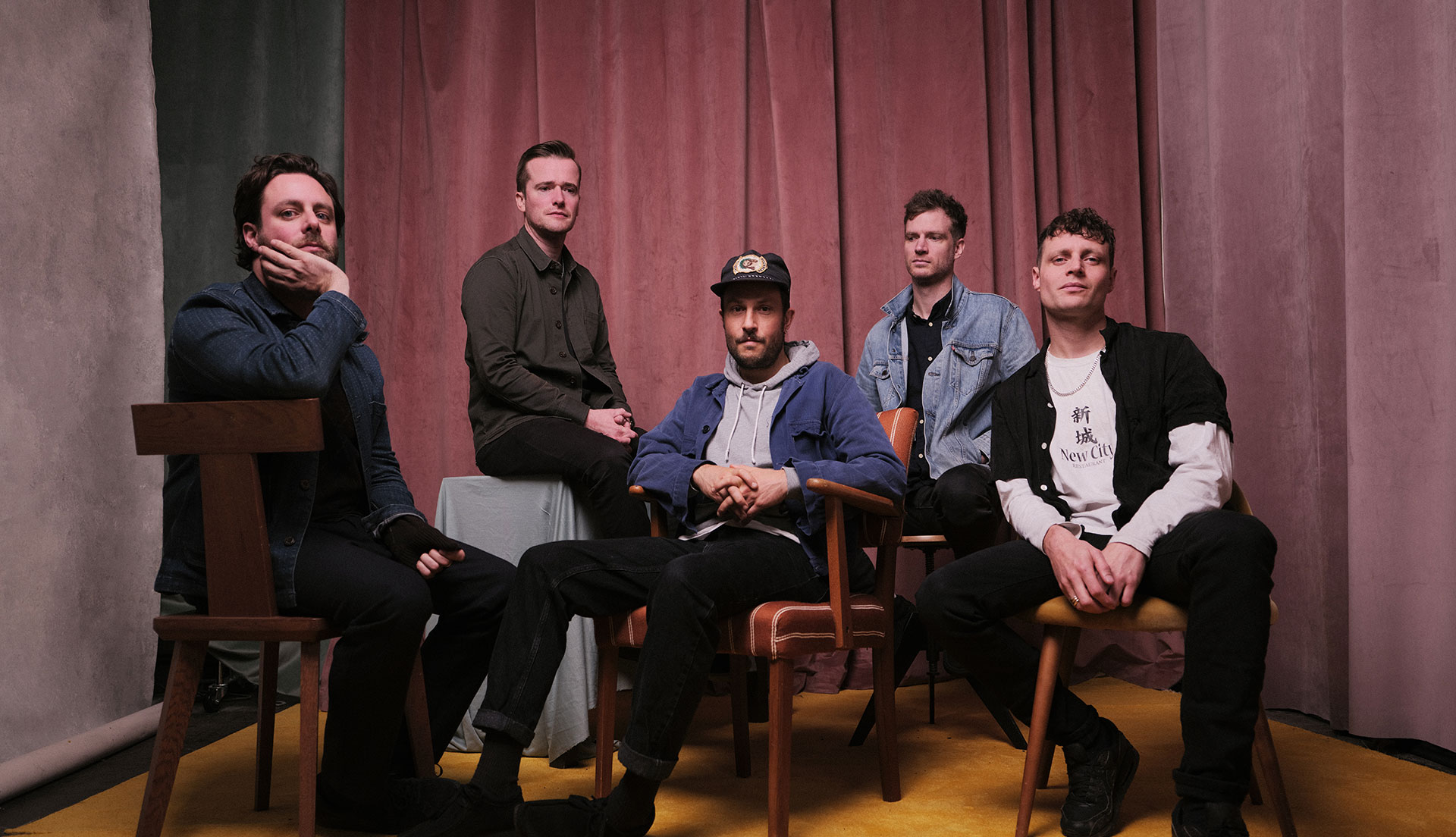
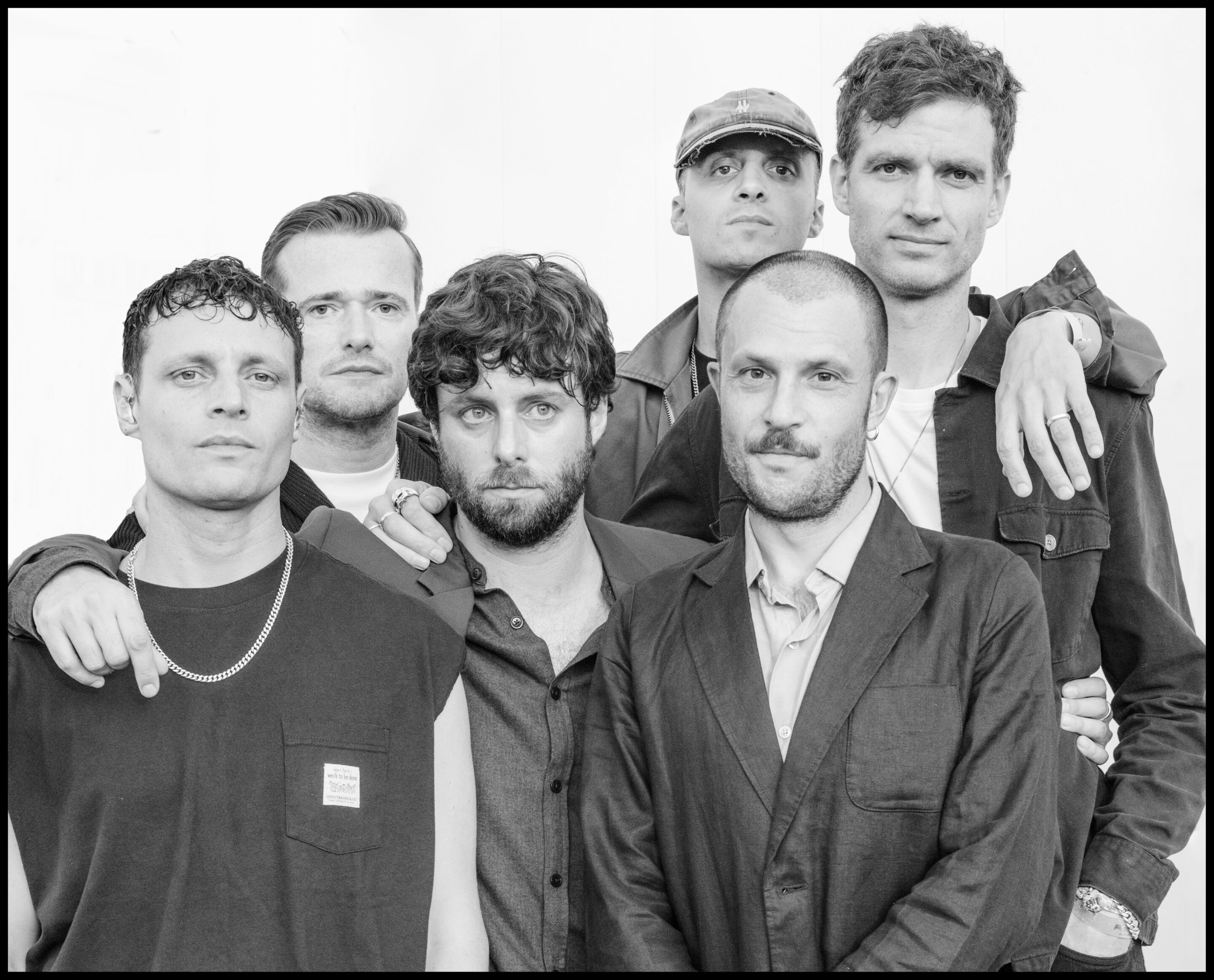
The Maccabees were once reportedly banned from playing Brighton after a chaotic early gig at Concorde 2. Fans were said to be literally hanging from the ceiling, with promoters warning the band they were in danger of inciting a riot. Fast forward a decade, the ban is lifted and the indie favourites return to the city triumphantly, headlining ‘On The Beach’ Brighton on July 25th.
When The Maccabees first emerged in the mid-2000s, they captivated fans with urgent guitar riffs, emotionally open lyrics and a sense of youthful momentum. Now, almost a decade after the band split, guitarist Felix White is reflecting on that era with a mixture of affection and perspective.
Looking back at the early days, White admits the distance from that time can feel surreal. After the band split in 2016, he says it was almost like watching someone else’s life from afar. “For a while it felt like it had happened to another person,” he explains. “When something that’s defined your life from your teenage years suddenly stops, you almost shock yourself into becoming someone new.”
When the band recently started playing together again, the songs came back instantly. “It’s all stored in your muscle memory,” White laughs. “We hadn’t played those songs in years, but the moment we started again it was just there.”
In the early days the band played with relentless intensity, something he now looks back on with amusement. “We used to play so fast, not realising we’d have to keep up that pace 20 years later!” That youthful urgency helped define their early sound, but as the band progressed through four albums the music evolved dramatically. White says that change wasn’t necessarily a grand artistic plan, it simply reflected the band growing up and discovering new influences.
“When you start a band at 17 or 18, there’s only so much music you’ve heard,” he says. “Your reference points are limited, which actually gives things clarity. But as we got older we just found more music and different ways of expressing ourselves.”
At the same time, there was also a quiet determination to avoid becoming stuck in one lane. During the mid-2000s indie boom, guitar bands were everywhere, and The Maccabees were keen to carve out their own identity. “We didn’t want to get trapped,” he revealed. “So, we were always trying to figure out what made us different, our own little island.”
That instinct paid off with their ambitious third album Given to the Wild, which expanded the band’s sound into something bigger and more cinematic. At the time, however, not everyone around them believed it was the right move. “People were nervous about it,” White admits.
“But sometimes you just know when something feels right.” To illustrate the point, he recalls a story about George Harrison playing ‘All Things Must Pass’ to Paul McCartney during The Beatles era and receiving a lukewarm response. “Even one of the greatest songs ever written can get that reaction – sometimes you just have to trust your instincts.”
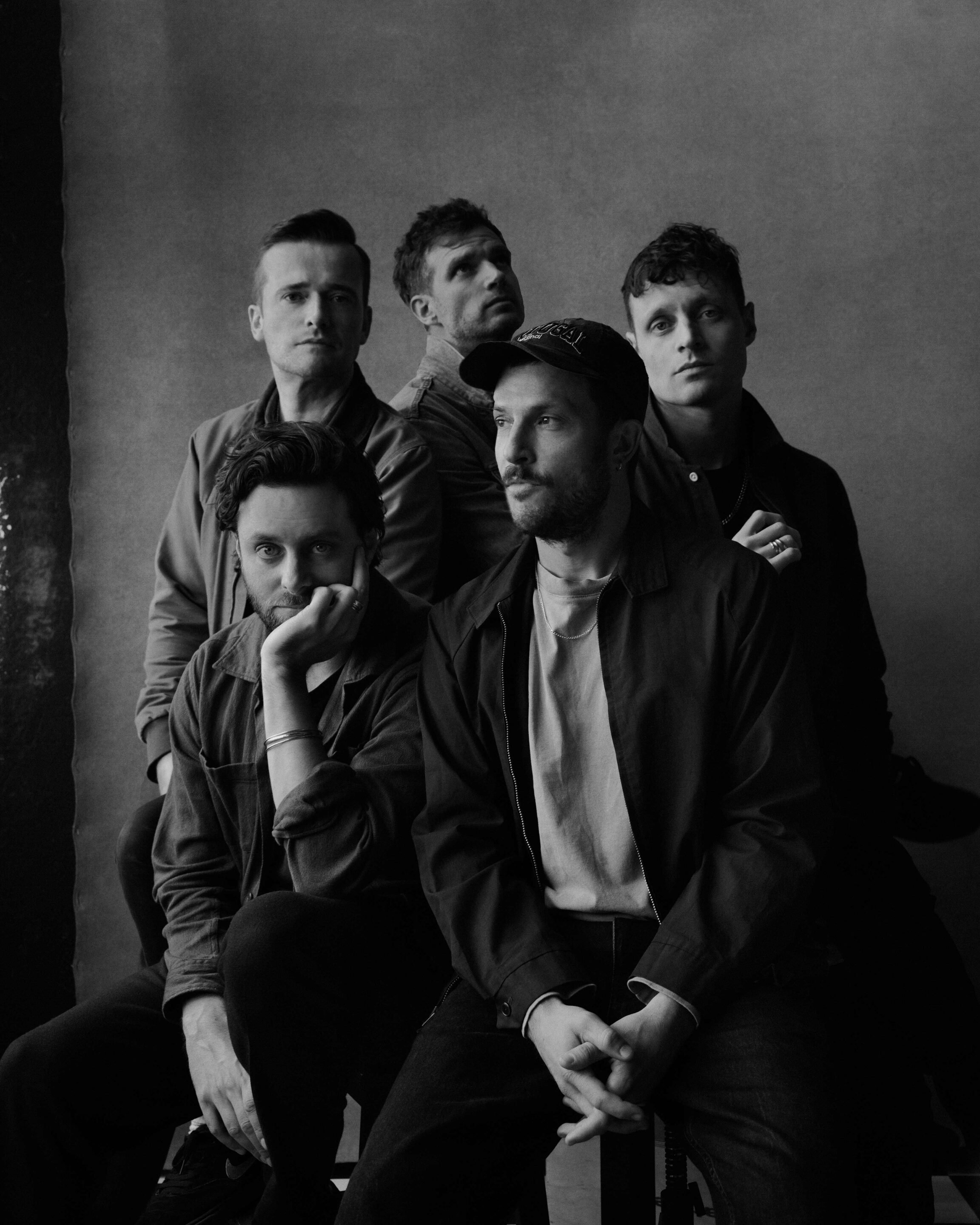
The band’s eventual split in 2016 was widely reported as amicable, though White admits the reality was more complex, less dramatic than typical rock mythology, but still emotionally intense. “You’re working together, travelling together, making business decisions together and sometimes literally sharing beds,” he says. “It’s the most intense relationship you can imagine.”
Over nearly two decades together, the band members inevitably evolved as people. Keeping that dynamic intact forever was never going to be easy. White has come to see the end not as a failure but as a natural chapter. “Not everything is meant to last forever,” he says. “Sometimes things just run their course.”
Today, he views The Maccabees less as a closed chapter and more as an enduring thread running through his life. With friendships stretching back to their teenage years and his brother also in the band, the connection remains deeply personal. “It’s a family,” he says simply.
Brighton, in particular, holds a special place in that story. Long before festival stages and headline tours, the band cut their teeth playing local grassroots venues. “We basically built our name in Brighton,” White says. “We were playing pubs constantly, sometimes three or four gigs a week.” Which makes returning now, years later, all the more meaningful. “If you’d told our teenage selves that one day we’d be headlining On The Beach in Brighton,” he says, “that would’ve felt like the most magical thing imaginable.”
Book On The Beach Sat 25 July 2026
Read more articles here.