



Copyright © 2026 Discover. All rights reserved

All views, information or opinions expressed in Discover Brighton are solely those of individuals involved and do not represent the opinions of any entity whatsoever, including the businesses mentioned within this publication and those to which are affected.

Wilkinson Interview: Beyond Boundaries

31 Aug, 2026
Wilkinson Interview: Beyond Boundaries & more

Wilkinson Interview: Beyond Boundaries & more


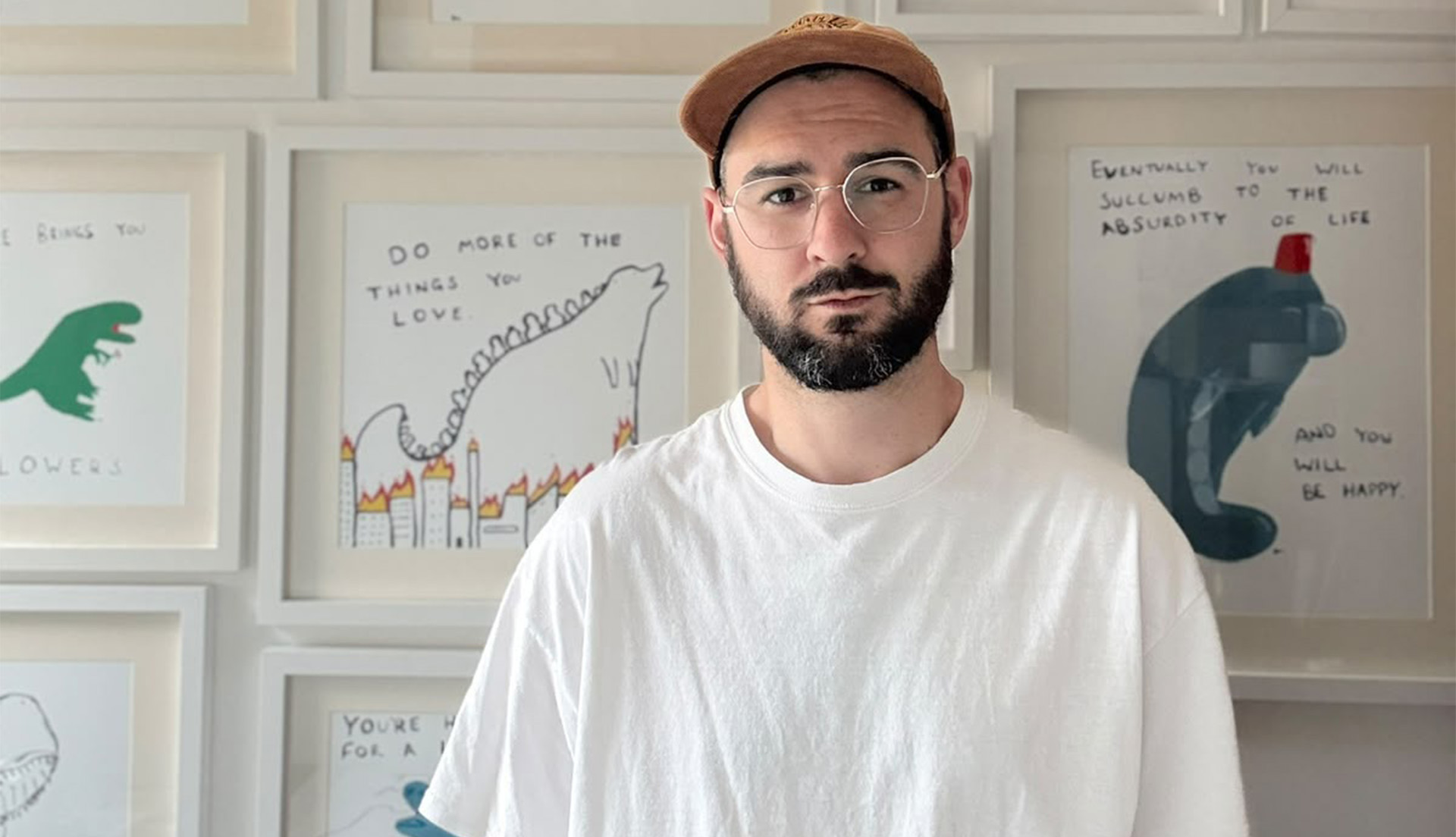
Few artists have had as much impact on current drum and bass as Wilkinson. Renowned for blending euphoric melodies with heavyweight production, his music has become the soundtrack to everything from intimate club nights to sold-out festival stages around the world. Ahead of his headline set at Brighton’s debut Beyond Boundaries Festival this September, we caught up with the producer/DJ to discuss his journey, the evolution of drum and bass, the inspiration behind his latest album Infinity, and why Brighton has always felt like a second home.

You’ve become one of the UK’s most recognisable drum and bass artists. Looking back, how would you describe your journey? “That’s a big statement – I’d say there are many more celebrated DJs and producers in the UK than me. For me, it’s just been about consistently writing and releasing music, and being part of a scene that has its roots firmly in club culture. I’ve always loved writing songs and creating music that works in clubs, and I’ve been lucky enough to write records that have connected with people, whether they’re into drum and bass or not.”

You’ve been at the forefront of drum and bass for well over a decade. What have been the standout moments? “Some tracks have obviously given me exposure to a much bigger audience, but the ones I’m most proud of are the tracks where I’ve spent the most time perfecting the sound design. My London headline shows have always meant a lot, but selling out Alexandra Palace was really special.”
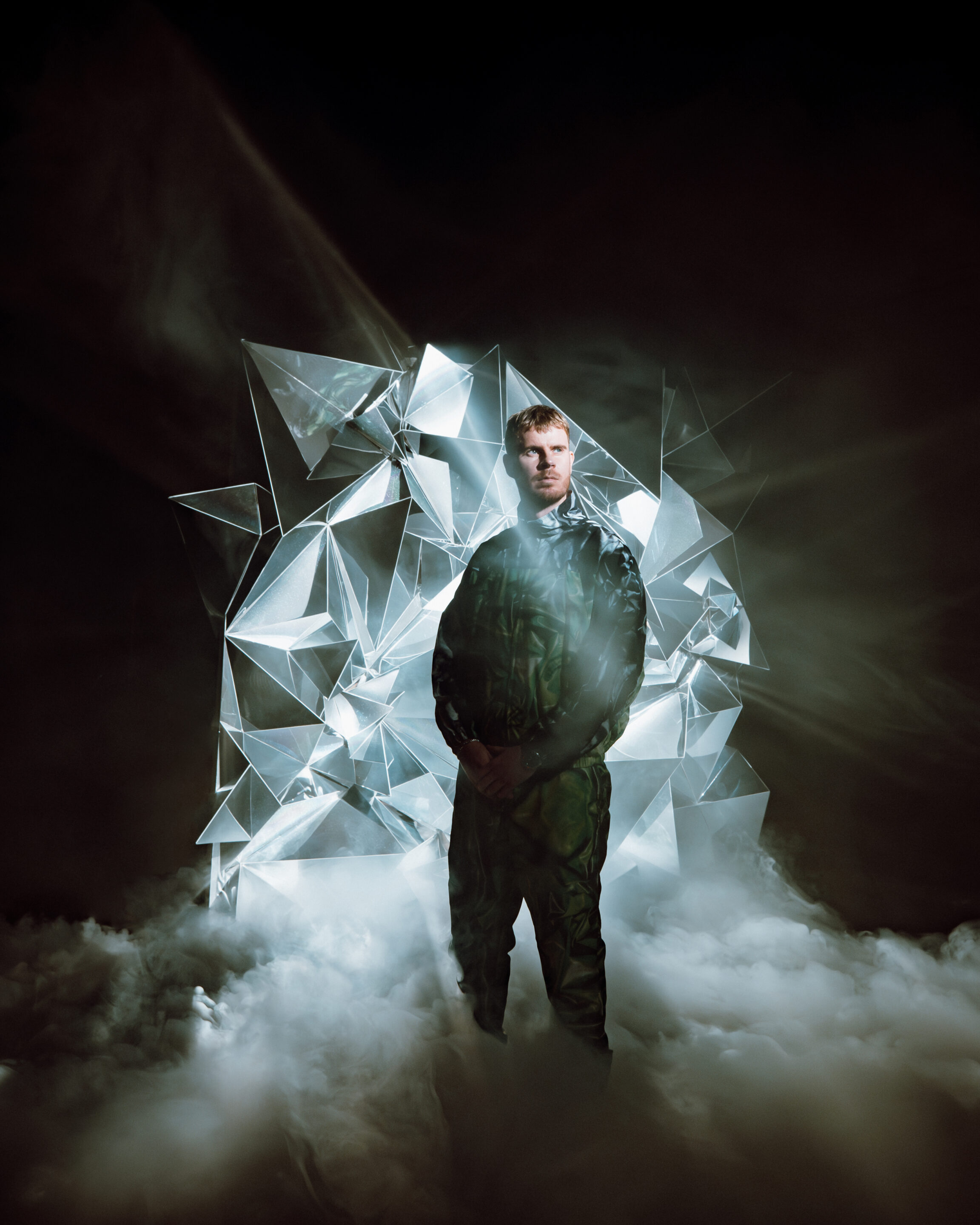
 

Few artists have had as much impact on current drum and bass as Wilkinson. Renowned for blending euphoric melodies with heavyweight production, his music has become the soundtrack to everything from intimate club nights to sold-out festival stages around the world. Ahead of his headline set at Brighton’s debut Beyond Boundaries Festival this September, we caught up with the producer/DJ to discuss his journey, the evolution of drum and bass, the inspiration behind his latest album Infinity, and why Brighton has always felt like a second home.

You’ve become one of the UK’s most recognisable drum and bass artists. Looking back, how would you describe your journey? “That’s a big statement – I’d say there are many more celebrated DJs and producers in the UK than me. For me, it’s just been about consistently writing and releasing music, and being part of a scene that has its roots firmly in club culture. I’ve always loved writing songs and creating music that works in clubs, and I’ve been lucky enough to write records that have connected with people, whether they’re into drum and bass or not.”

You’ve been at the forefront of drum and bass for well over a decade. What have been the standout moments? “Some tracks have obviously given me exposure to a much bigger audience, but the ones I’m most proud of are the tracks where I’ve spent the most time perfecting the sound design. My London headline shows have always meant a lot, but selling out Alexandra Palace was really special.”

Was there a moment when you realised music could become your career? “The defining moment was when I was earning enough money DJing to leave my day job and focus entirely on writing music. That’s something that’s always stayed with me, and I’ve never forgotten how lucky I am to call this my job. Travelling the world and meeting incredible people because of music is something I’m incredibly grateful for.”

Drum and bass has exploded in popularity worldwide. How has it been watching the genre grow? “Drum and bass has always had its moments in the UK, but it’s amazing to see it growing globally now. Being able to travel to countries I’d never imagined visiting because of my music is something I never take for granted.”

Your music ranges from underground club records to emotional crossover tracks. Has that balance always been intentional? “I realised quite early on that I need variety in my life to stay inspired, and I took that into the studio from the very beginning. Sometimes I want to make something raw for the club, and other times I’m inspired by a particular subject or lyric and focus more on songwriting than sound design. Having that balance keeps me excited to make music every day.”

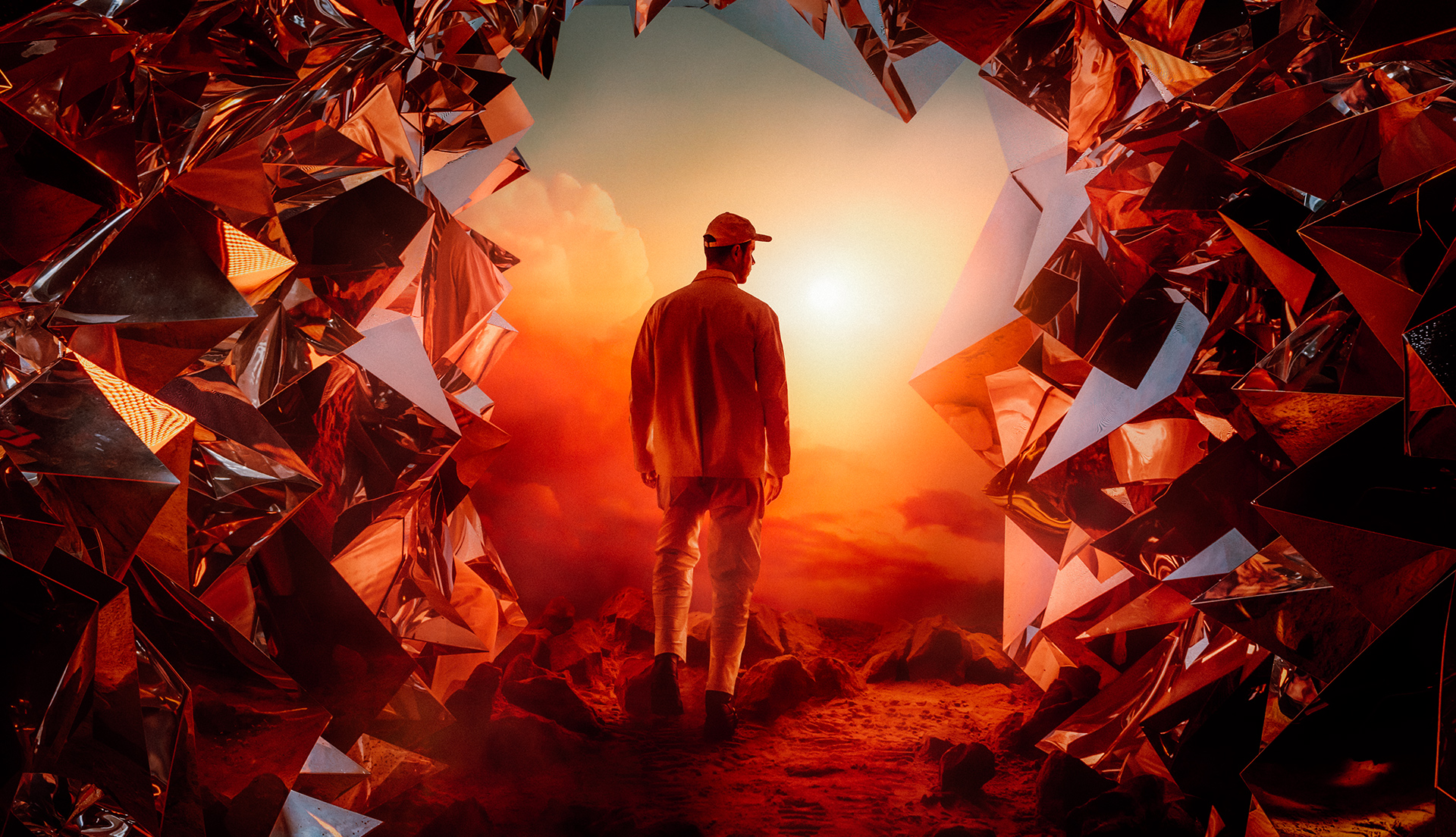
Your latest album Infinity took longer than usual to complete. What made this project different? “It took about three years to finish, which is much longer than normal for me. During that time I was working on lots of different projects, so I think the album reflects all the different sounds I was exploring.”

Dance music is often thought of as being all about the club. How important is storytelling when creating an album?
“I always need to find some kind of narrative. There has to be an anchor point that pulls everything together. You need emotional records, you need tracks people can dance to, but there also needs to be something connecting it all. For me, that’s usually my production style alongside the collaboration with the artists creating the artwork and videos.”
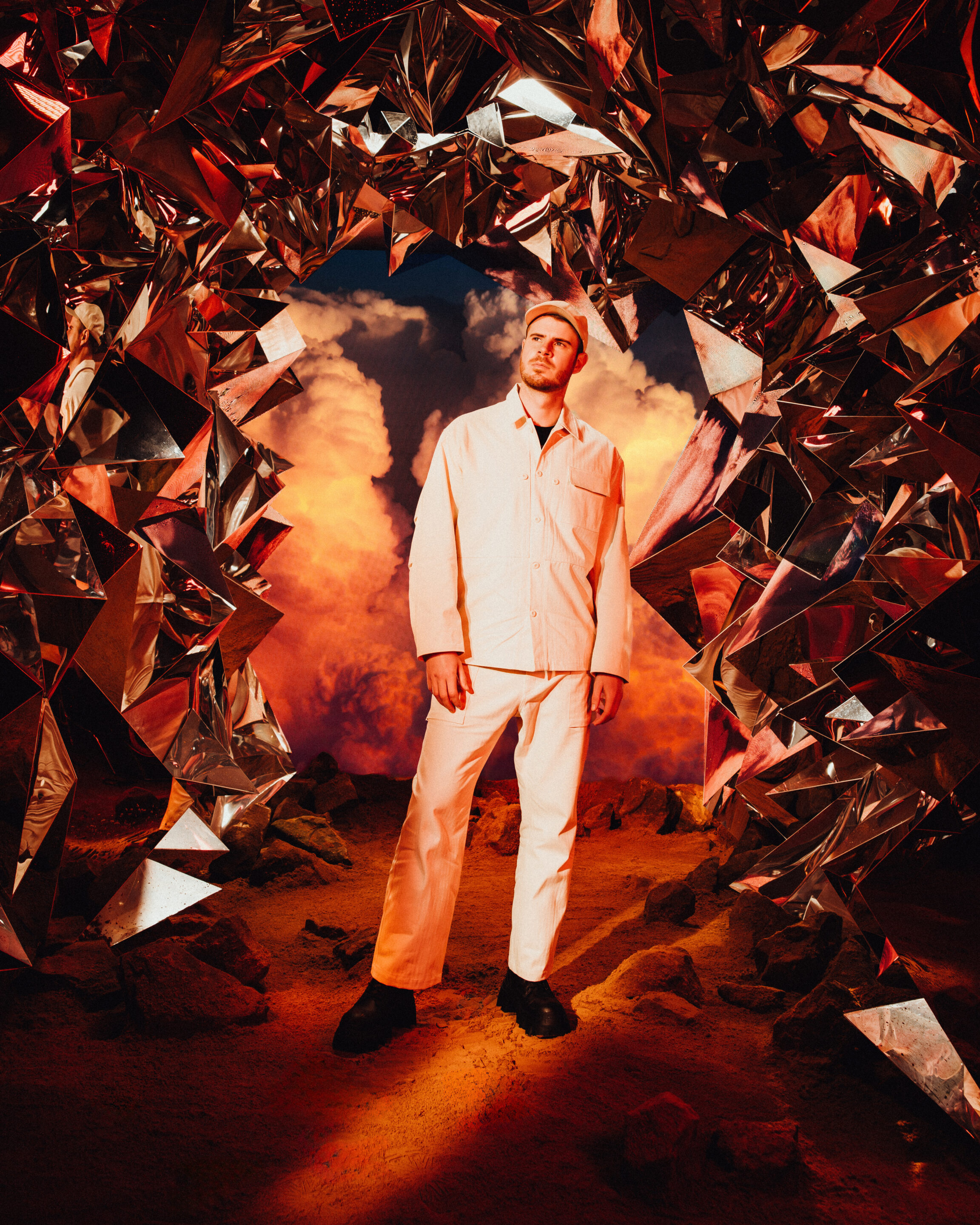
Social media can make trends come and go overnight. Do you ever feel pressure to chase them? “I’m usually too slow to catch trends these days, so I’ve got no choice but to stay in my own lane and keep doing what I do best.”

You’ve always seemed to have a connection with Brighton. What makes the city special to you? “I had friends who went to university there, so I spent plenty of weekends on the seafront, moving between different clubs and events. Brighton has always had this unique buzz. There’s such a strong culture built around art and music, and I’ve always loved that.”

How important are cities like Brighton to the future of electronic music? “Small venues and club culture are absolutely essential. They give new promoters and artists somewhere to develop and build communities. Without those spaces, everything becomes about huge festivals and massive venues. We need both.”

You’re returning to Brighton to headline Beyond Boundaries Festival. What can fans expect? “Brighton has always felt like a home to me, so I’m always excited to play there. Beyond Boundaries always has such an incredible atmosphere, and I know this year will be no different. I’m really looking forward to getting back down to the south coast.”

Festival culture has changed a lot over the years. Do you think the original spirit of rave still exists? “I think it’s still there – it’s just different now. As long as people are having an authentic, genuinely good time, letting themselves go, feeling something and meeting new people, then that sense of community will always exist. That’s what rave culture has always been about.”


Was there a moment when you realised music could become your career? “The defining moment was when I was earning enough money DJing to leave my day job and focus entirely on writing music. That’s something that’s always stayed with me, and I’ve never forgotten how lucky I am to call this my job. Travelling the world and meeting incredible people because of music is something I’m incredibly grateful for.”

Drum and bass has exploded in popularity worldwide. How has it been watching the genre grow? “Drum and bass has always had its moments in the UK, but it’s amazing to see it growing globally now. Being able to travel to countries I’d never imagined visiting because of my music is something I never take for granted.”

Your music ranges from underground club records to emotional crossover tracks. Has that balance always been intentional? “I realised quite early on that I need variety in my life to stay inspired, and I took that into the studio from the very beginning. Sometimes I want to make something raw for the club, and other times I’m inspired by a particular subject or lyric and focus more on songwriting than sound design. Having that balance keeps me excited to make music every day.”

Your latest album Infinity took longer than usual to complete. What made this project different? “It took about three years to finish, which is much longer than normal for me. During that time I was working on lots of different projects, so I think the album reflects all the different sounds I was exploring.”

Dance music is often thought of as being all about the club. How important is storytelling when creating an album? “I always need to find some kind of narrative. There has to be an anchor point that pulls everything together. You need emotional records, you need tracks people can dance to, but there also needs to be something connecting it all. For me, that’s usually my production style alongside the collaboration with the artists creating the artwork and videos.”


Wilkinson Interview: Beyond Festival & more


Social media can make trends come and go overnight. Do you ever feel pressure to chase them? “I’m usually too slow to catch trends these days, so I’ve got no choice but to stay in my own lane and keep doing what I do best.”

You’ve always seemed to have a connection with Brighton. What makes the city special to you? “I had friends who went to university there, so I spent plenty of weekends on the seafront, moving between different clubs and events. Brighton has always had this unique buzz. There’s such a strong culture built around art and music, and I’ve always loved that.”

How important are cities like Brighton to the future of electronic music? “Small venues and club culture are absolutely essential. They give new promoters and artists somewhere to develop and build communities. Without those spaces, everything becomes about huge festivals and massive venues. We need both.”

You’re returning to Brighton to headline Beyond Boundaries Festival. What can fans expect? “Brighton has always felt like a home to me, so I’m always excited to play there. Beyond Boundaries always has such an incredible atmosphere, and I know this year will be no different. I’m really looking forward to getting back down to the south coast.”

Festival culture has changed a lot over the years. Do you think the original spirit of rave still exists? “I think it’s still there – it’s just different now. As long as people are having an authentic, genuinely good time, letting themselves go, feeling something and meeting new people, then that sense of community will always exist. That’s what rave culture has always been about.”


www.wilkinson-music.com  |  Beyond Boundaries 2026  |  Read other articles here
Follow us:

More from Discover Brighton:

Day Fever: Daytime disco phenomenon

Day Fever: Daytime disco phenomenon

Day Fever: Daytime disco phenomenon   What if your next big night out started at 3pm and you were still home in time for bed? That’s the brilliantly simple idea behind Day Fever, the daytime clubbing phenomenon created by actor Vicky McClure, her husband Jonny...

Chao Ban: Vietnamese street food

Chao Ban: Vietnamese food

Chao Ban: Vietnamese street food comes to George Street, Brighton   Are you looking to level up your lunchtime game? Then you need to check out Chao Ban for some seriously delicious Vietnamese street food. After a decade of serving up Vietnamese street food...

One Garden Brighton welcomes autumn

One Garden Brighton welcomes autumn

One Garden Brighton welcomes autumn   As summer starts to fade and the first signs of autumn appear, September is a wonderful time to explore one of Brighton’s most beautiful green spaces. One Garden Brighton offers a peaceful escape from the city – and...

BPO launches its 2026–27 season

BPO launches its 2026–27 season

BPO launches its 2026–27 season   Brighton Philharmonic Orchestra (BPO) launches its 2026–27 season this month with new projects, bold performances, and opportunities for young musicians, showcasing the orchestra’s commitment to world-class live music and...