




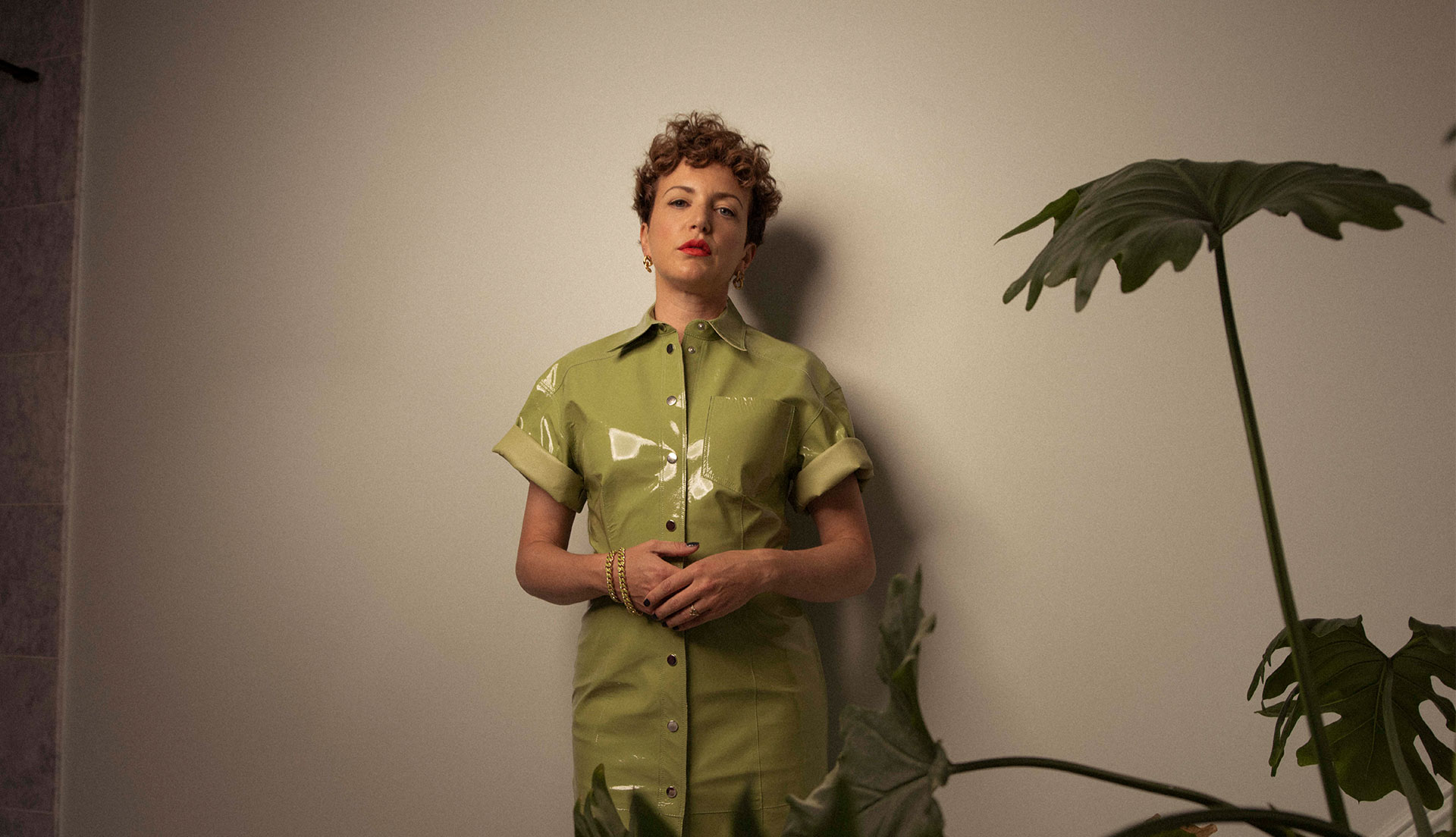
Annie Mac Before Midnight at Quarters Brighton
Annie Mac’s dazzling 20-year career as a broadcaster, DJ and now bestselling author has seen her continually evolve without ever losing sight of what matters. Ahead of her sell-out Brighton gig at Quarters later this month, she talks radio, reinvention, motherhood and creating space for women in electronic music.
Tell us how it all started for you? I was DJing at house parties. I had a regular gig at a basement club in Camden, but it was by no means part of the wider electronic music scene really. I got my job at the BBC long before my DJing kicked off, and my DJ career kicked off as a result of getting the job at the BBC. I was very lucky in that getting a dance show on Radio 1 meant that people were then interested in booking me, so it was very much a case of the radio coming first, then having the status of having a dance show, and that created curiosity amongst promoters to book me. I had already been working for a nightclub in Belfast while I was living and going to university there, so they were one of the first clubs to book me and it kind of carried on from there.
As one of the few women shaping dance music at Radio 1, did you feel you were representing women or just cracking on with work at the time? Obviously I was very aware that I was a woman in the industry and that I was surrounded by men, but I didn’t think beyond that or that I was doing anything for women as a whole. What I do remember was being hungry to do my own show. One of my biggest influences at the time was Mary-Anne Hobbs and there were a lot of women within Radio 1, be it Jo Whiley or Sarah Cox, both of whom I really admire.
So there were quite a few female DJs, but in terms of electronic music, it was only really Mary-Anne Hobbs and Annie Nightingale. Mary-Anne was such a big influence on me and it was her show that facilitated getting my own show. I deputized for her when she was away once, and when they heard how I sounded doing that show, they then felt confident enough to give me my own. So I was just cracking on with work basically, just trying to get my show and not really thinking about being a woman specifically. It wasn’t really until I started DJing professionally that I really felt the pressure of being a woman and feeling like I was being judged as one. It felt like there was more pressure on me to be good because I was a woman, because there weren’t that many of us.
You’ve spoken openly about burnout. At what point does success stop feeling healthy? I can’t remember using the word burnout specifically, but I have talked about a period in my life in my early 40s, when I felt like what I suppose burnout is described as these days. I felt very overwhelmed by work and feeling very needed on all sides, like I couldn’t really do anything well because I was being pulled in so many different directions. So I guess that success stops feeling healthy when you start feeling a kind of constant underlying sense of overwhelm, when you can’t remember the last time you felt really relaxed. I think success can fast become unhealthy when you find yourself in a path of growth, which often feels like it is what you’re supposed to do – get bigger, more successful, climb up the ladder.
But you find that when you really stop to think about it, you’re not really doing what you want. It’s so easy to get swept along in the current of what you think you should do without actually stopping and asking yourself, do I want this? Is this making me happy? And also, life changes. You change, your situation changes, your circumstances change. So your career should change accordingly to what you can manage within the parameters of your circumstances. And that’s something that I hadn’t thought of when I had kids.
I remember thinking then that I wasn’t going to let having children stop my career. I was going to carry on doing as much as I wanted as I was before, because I loved my career. But then it got to the point where I felt very overwhelmed and like I wasn’t able to do anything right, as well as coming to the point where I felt like I’d been doing the same thing for a very long time.
Maternity leave afforded me that gap in the relentlessness of my career and afforded me time to recalibrate and try and figure out what I wanted to do. That’s when I took up a writing course, it was something I wanted to do and it felt antithetical to everything else that I was doing in a really attractive way. It felt like something that was quite self indulgent and that I could do just for myself and for the sake of being creative. That was the beginning of the path to me becoming a novelist and leaving Radio 1 to try and pursue writing novels.
Leaving Radio 1 in 2021 was a big move. Can you tell us why you made this move? Many reasons. I was doing five shows a week, I was the new music person, I was launching the weekends and it was amazing, but I felt that my life had changed and that I wasn’t as excited as I felt I should have been doing that job. I’d been there so long and the music still excited me, but I wasn’t able to go to as many gigs and I wasn’t able to kind of live the life that I felt like I should be living whilst doing those shows.
I felt torn I suppose. I had discovered writing, was writing a novel and loving that process so much. It felt natural and enjoyable, like coming home, and I knew I wanted to do more of that. The radio was a full time job, and that was really the thing that was getting in the way of me being able to pursue anything else properly.
So the combination of those things as well as the fact that my kids were at an age where they were both in school and my show meant I wasn’t seeing them at all in the evenings. I wasn’t having dinner with them, I wasn’t putting them to bed, so I wouldn’t see them at all apart from in the mornings, and then a lot of the weekends I’d be DJing. I wasn’t seeing enough of my kids, and that’s not a good feeling. It was a kind of confluence of reasons that all came together at once to make leaving Radio 1 make sense.
At the time, I had so many people asking me how I could leave such a job.
But to me it was very simple. I felt like I had complete conviction over my decision, and that’s what made it so easy and enjoyable too. I was able to do those last shows and really celebrate my time there and leave on such a high with such good relationships with everyone there, and to be able to feel really thankful for my time there. There was no ill will in leaving and I’m grateful for that still to this day.
How do you maintain underground credibility whilst operating in mainstream spaces? That’s the eternal question! It’s so incredibly influential when you do a show like the one I had on Radio 1 and you’re in people’s ears day in, day out. Radio 1 is by nature mainstream, but the nature of my shows within that were pretty underground. I was playing lots of esoteric and obscure music in my shows, as well as some of the more mainstream releases. I was so lucky that my shows sat on the threshold of when the playlist ended and autonomy began for DJs to choose what they wanted to play. The shows were programmed, and I was able to play whatever I wanted at any point.
There was a huge amount of responsibility there that I took very seriously in being able to play good underground music to a mainstream audience. That’s followed me in my career in a really useful way. When I DJ out, I feel like people are pretty open to whatever I want to play, especially with my ‘Before Midnight’ shows. There’s a real sense of freedom within those long sets that I play, to go wherever I like and play whatever I like.
You’ve championed gender balanced lineups. Does any real resistance still exist behind the scenes? I would say I’ve never come across straight up resistance, it’s more hearing the same excuses of bookers claiming they can’t find any women to play, or that the one woman they wanted to book isn’t available, so they book a man instead. That’s not a viable excuse, especially now. There are so many successful female DJs and musicians, and it is so wonderful to see festivals slowly change, even if it’s incrementally slowly, for the better in terms of gender balance.
I don’t experience resistance behind the scenes when I book lineups, which I don’t do as much these days, but when I do it for ‘Before Midnight’, for our big shows in say, Gunnersbury Park in London for example I don’t experience any resistance and am able to book balanced lineups.
Having said that, it’s an ongoing issue in the wider industry, but as long as it’s changing for the better and as long as we have more women in a position of power where they’re booking their own lineups, alongside more women agents, promoters and managers, I think we’ll keep progressing.
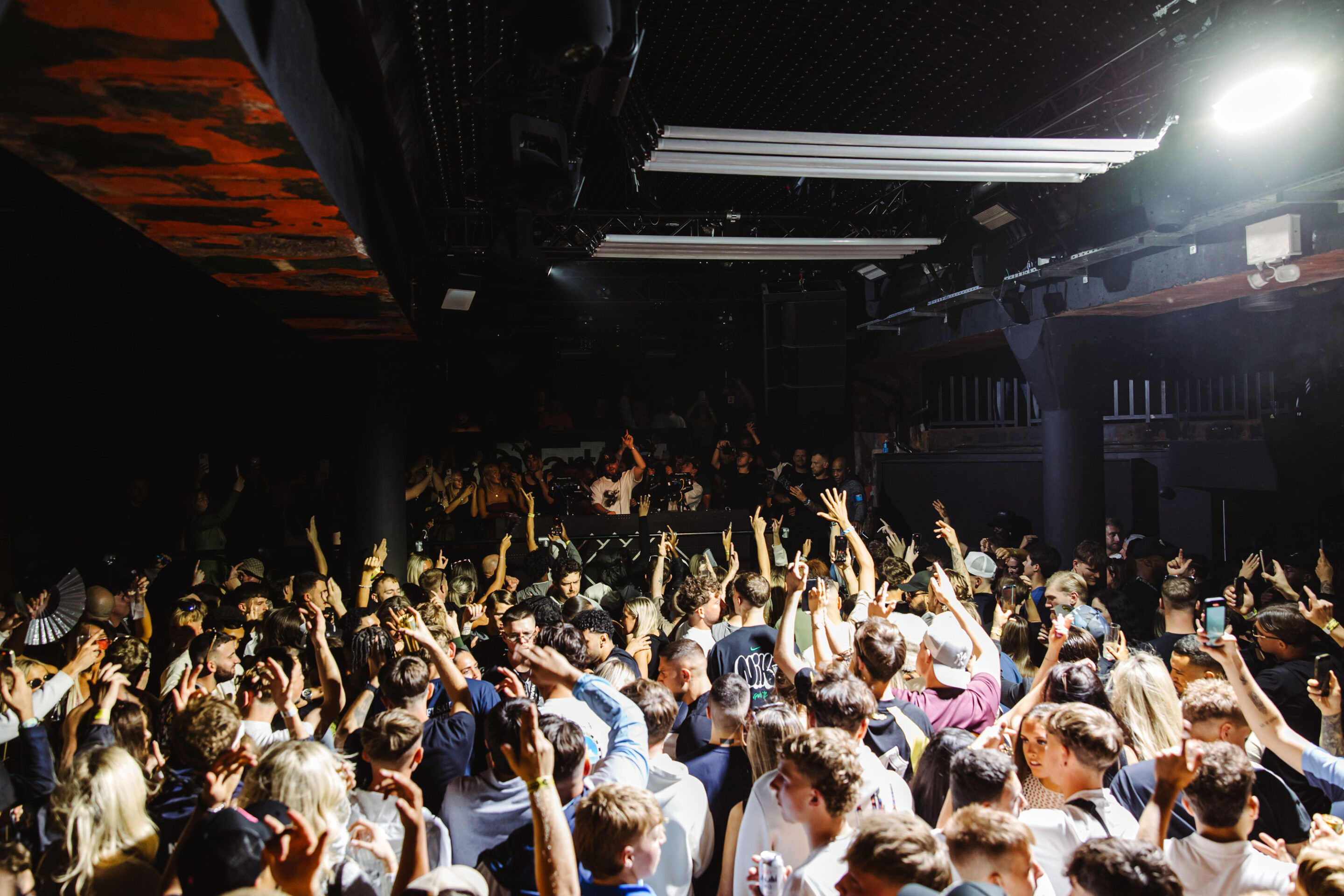
What does legacy mean to you now? What would you want to be remembered for? Interestingly, I got a message the other day from a female DJ that’s doing really well, and she DM’d me on Instagram to tell me that she used to listen to my shows and my links, and as a result of listening to me she felt like that there was a place for her in radio, if you know what I mean. And I was really touched by that because I had the exact same thing with Mary-Anne Hobbs. I watched her and listened to her and felt deeply inspired by her and the way she presented and the way she chose the kind of music that she chose to play.
I’m really proud to be someone that came before for a new generation of girls. Really proud to be that and to still be doing that in a way by being 47 and still out there DJing and still putting on nights and, you know, selling out venues. I think that’s really important in terms of representation for younger girls to see that it is possible to grow older as a woman and still DJ successfully. Before it was just about being a woman and now it’s about being an older woman.
When I was in my 20s there was no way I thought that I would be DJing when I’m 40, and now I’m on the other side of 40, closer to 50, and thanks to ‘Before Midnight’, have found a really viable and enjoyable way to carry on DJing that really suits where I am in my life right now. I’m so proud of that and never, ever take it for granted, I still cannot believe my luck that I’ve managed to carve this out and that so many people are in the same frame of mind as me when it comes to still wanting to club and still wanting to dance, but still needing a bit of sleep now and again.
And clubbing is so broad now that there should be a place for everyone within it. I’m really proud to be able to provide a place and a clubnight for people who need to not be getting home at 4 in the morning. I don’t really think about the legacy, I’m so glad to still be doing it and still enjoying it.
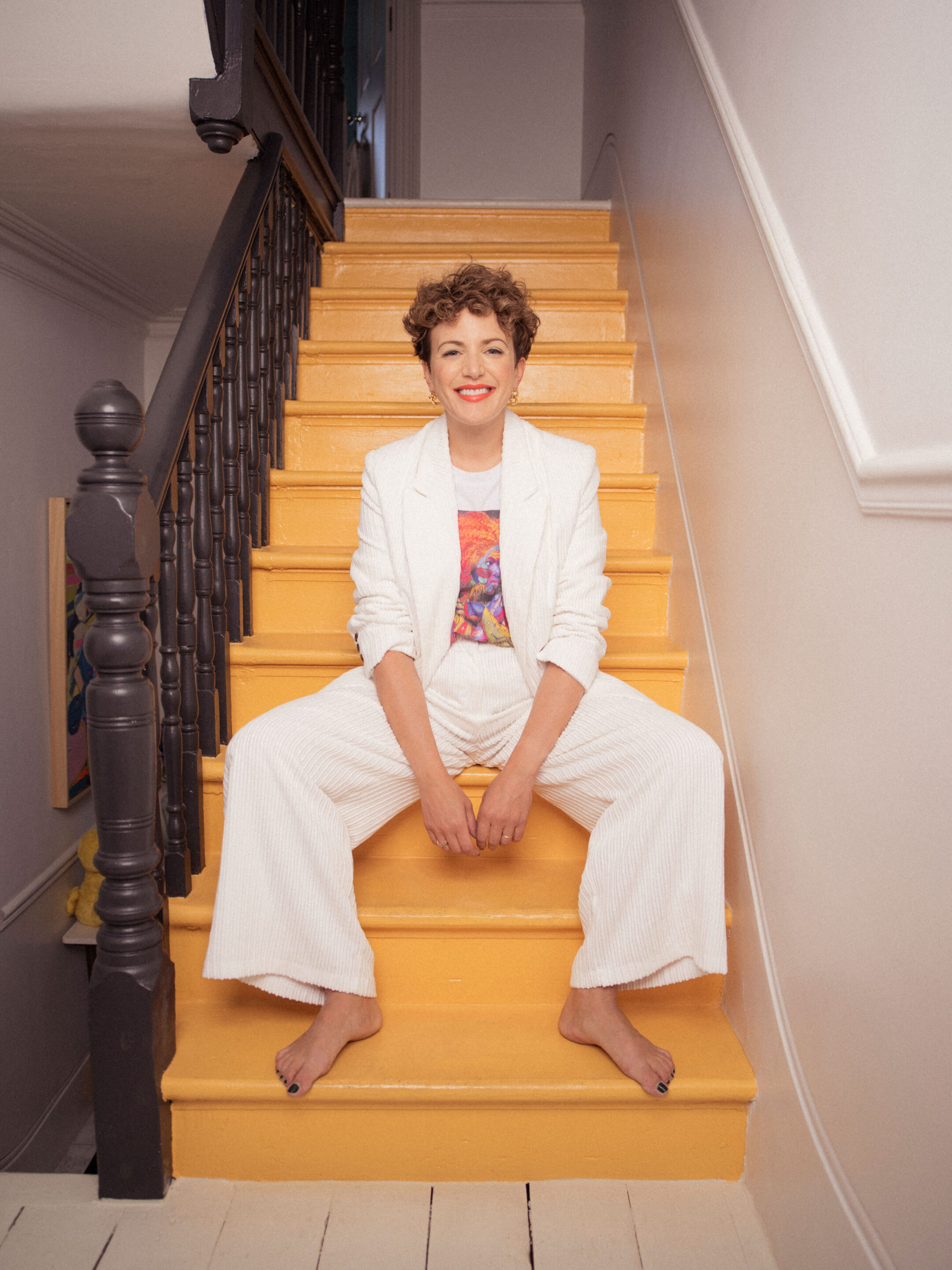
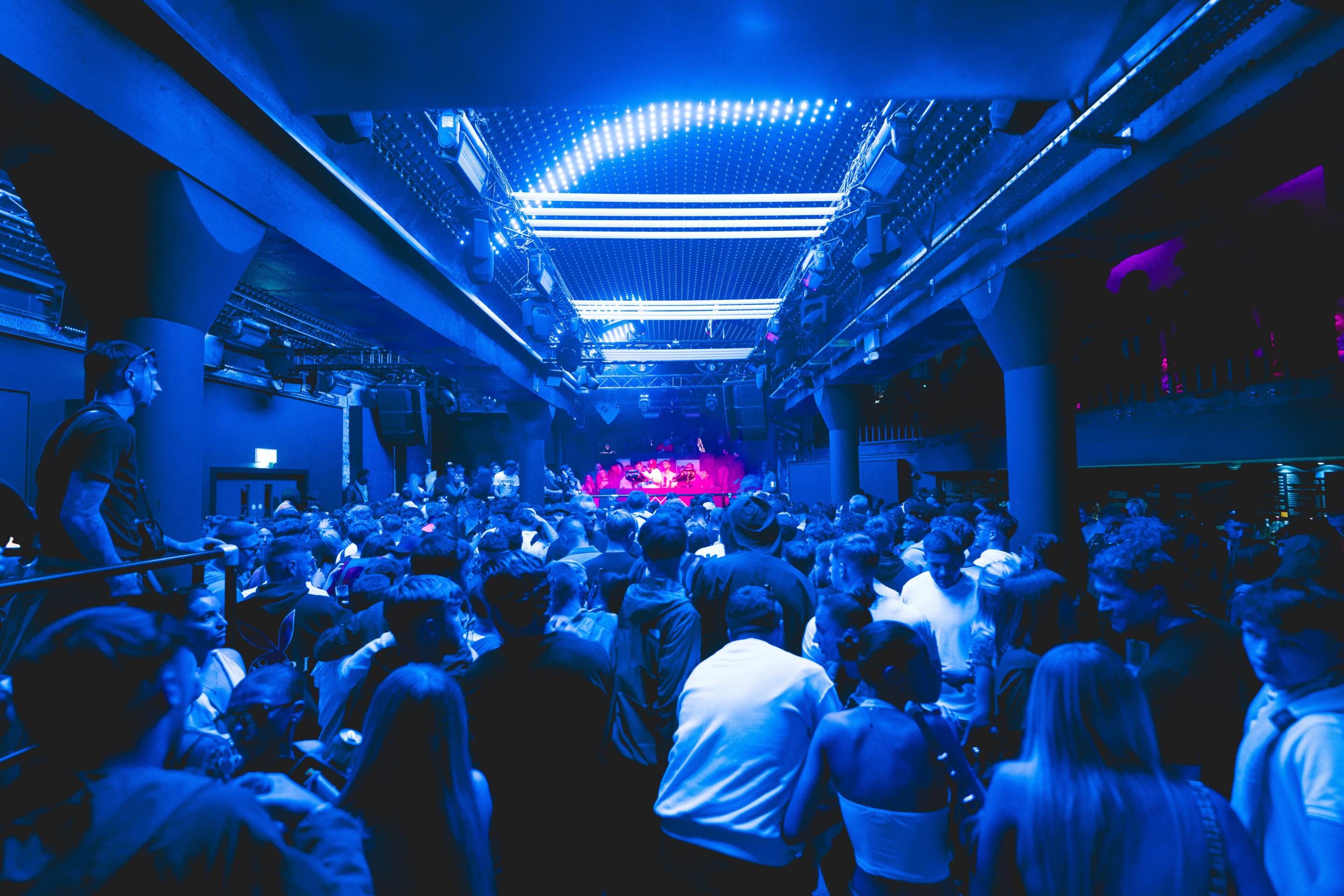
Are you looking forward to your forthcoming gig at Quarters, formerly the hallowed ground of Zap Club Yes! I haven’t been there, but I’ve seen the videos and I think it looks fantastic. I love the configuration of it and I’m really excited to bring ‘Before Midnight’ to Quarters, I think it’s going to be brilliant. Brighton is always such a rich place to DJ, I love playing there and I always feel like there’s a good energy there, I’ve always felt so welcomed in Brighton.
Annie Mac Before Midnight at Quarters Brighton | Fri, 20 Mar 2026, 19:30 | Book tickets here
Read more articles here